Canto VII Literary Map of Exeter & Devon connection: Westward Ho!; Charles Kingsley, Rudyard Kipling
Canto VII – Westward
“His thought is not for harp nor taking of rings –
Nor happiness in wife nor joy in worldly things –
Nor for aught else, save the surging waves;
But ever does he yearn who seeks the sea.”
- The Seafarer
The salmon ran like crusted tapers –
a fleshy armada – massing
on the borders of the oak ensemble
to launch and flame the Torridge
in their efforts to glimpse a brick
of the pale town on the water juncture –
where they furnished seven ships to singe
Spanish beards and endowed paunchy Brittania
with commerce and colonies and three
snapped necks at Heavitree. A hare’s eye,
cannot distinguish between once, now,
or soon to be, yet dwelled long and often
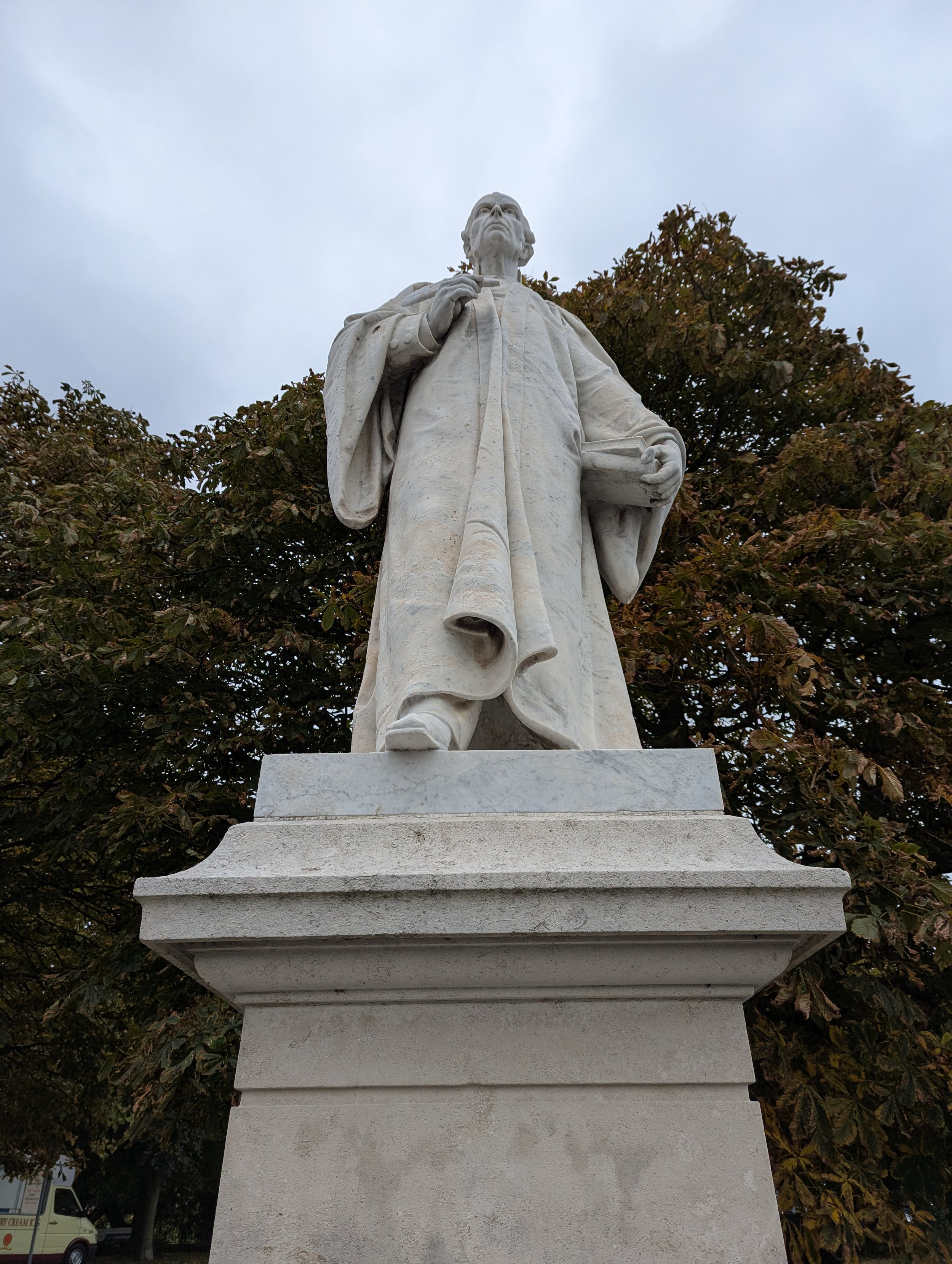
upon the writ and preaching of Charles Kingsley –
who still rears upon the quay, marbled and grey,
whilst nearby, Rose Salterne drinks
and drowns another desperate day.
To the north, breathes an underground forest;
eight-dozen severed trunks, salt-smoked
into black stubs, now swept and shaven into
a shore – here is where Kinglsey first dug
his heels and devised fleets and fame –
a port for the common mariner to seek
adventure, murder, or a name.
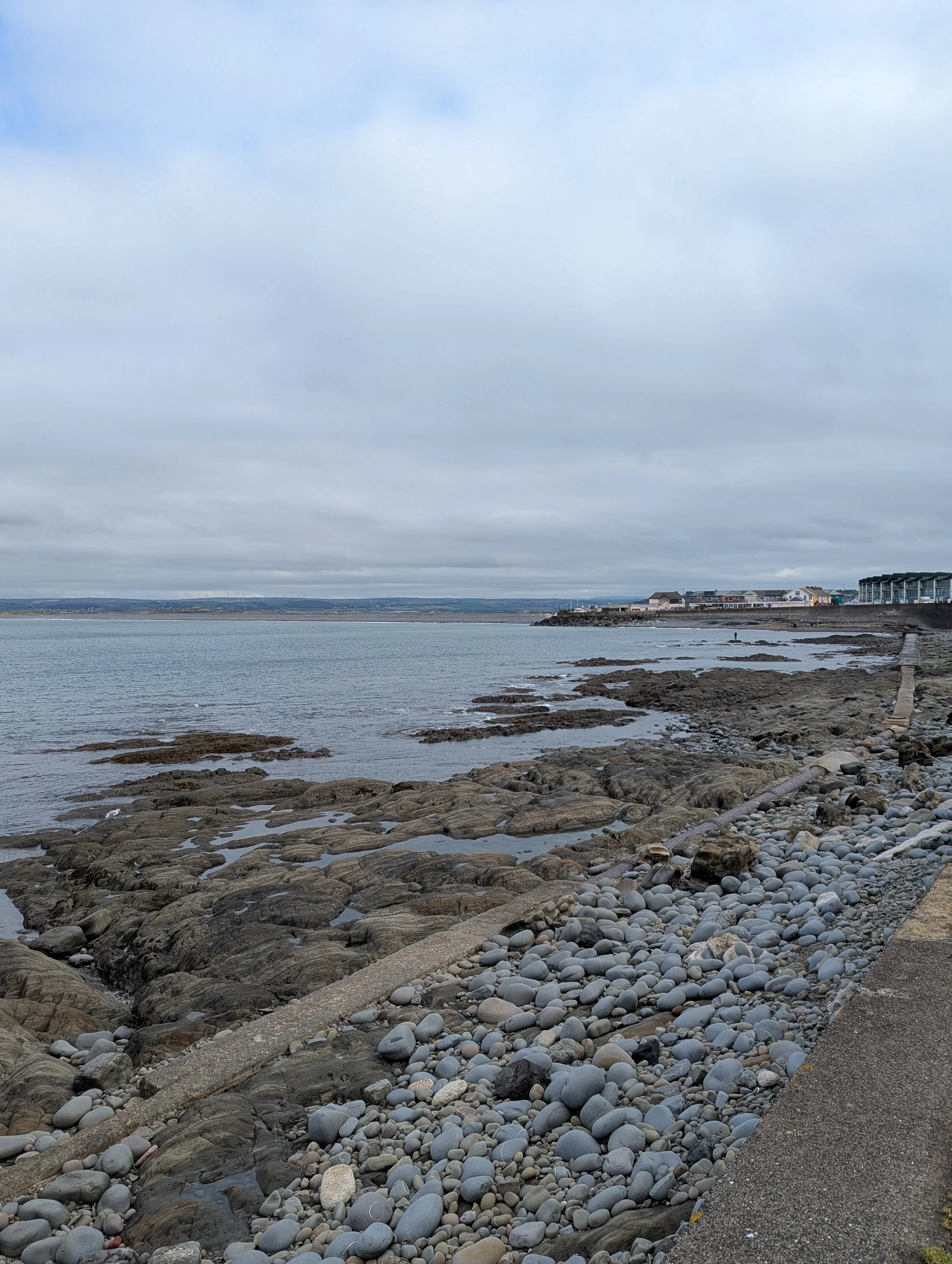
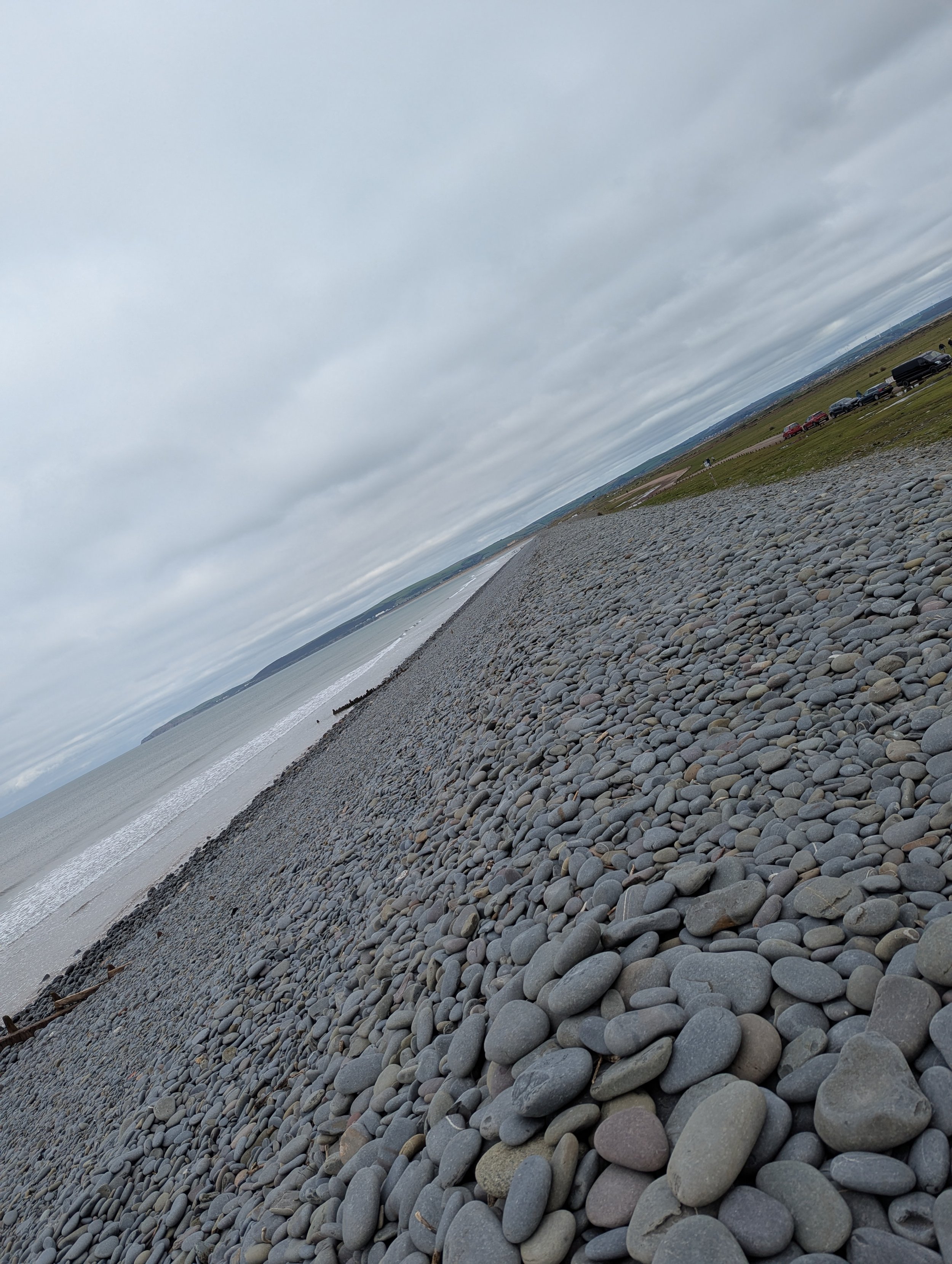
He loved this slip of shingle,
shell and sand and tripped
and clattered up its pebbled ridge
with quarrymen in tow, to topple every boulder,
and examine the fauna pocketed below –
no skater nor sea-pie escaped his gaze
and yet, an empty idyll never pays;
Kingsley discarded a friend and lost a muse
when they stacked a village in his image;
we must ask would he still write, if he could know,
that his words would carve a new Westward Ho?
There would be nowhere for Kipling to go
and the world would be starved
of the capers of Stalky and co.
Fleeing the torments of Lorne Lodge,
he came to drill and conjugate
and mime those Imperial motions
against the ocean’s edge – yet more
pressing still than those stale notions
is the burden of a pen’s passion –
when upon the sound, he spied a blossom
he could not forget and from that light
spun and wove his tender net –
a latticed love, a smitten mesh –
two glances, one blush
and a literary debt.
There is much to be won or witnessed
when stationed by the sea;
it is here the hares oft forget
their orbit’s leash and feign
to sprint with glee;
once more wild –
once more free –
for a sweet moment, or
a sweeter century.
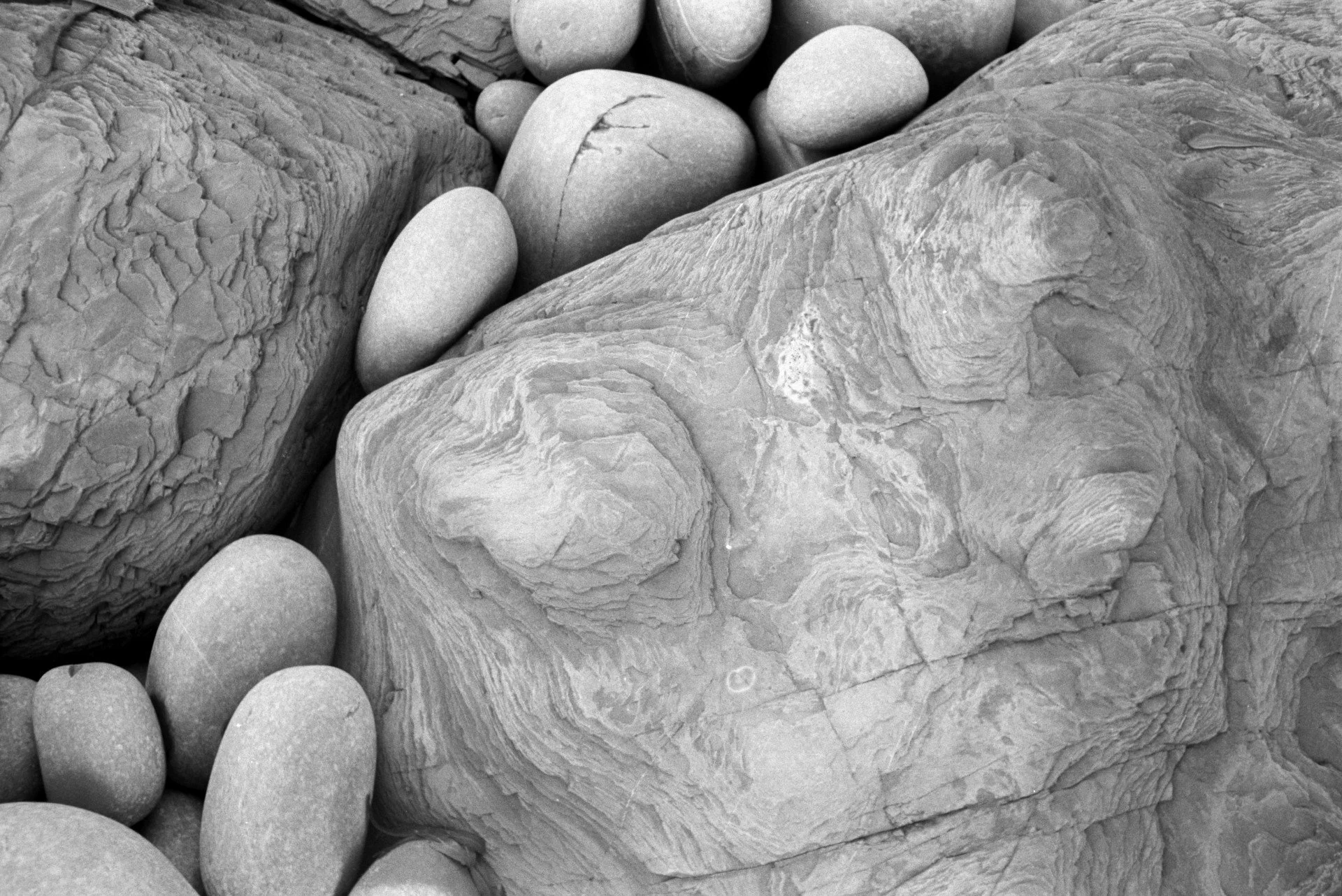
Documentary photograph by Roger Deakins for the Beaford Archive © Beaford Arts.
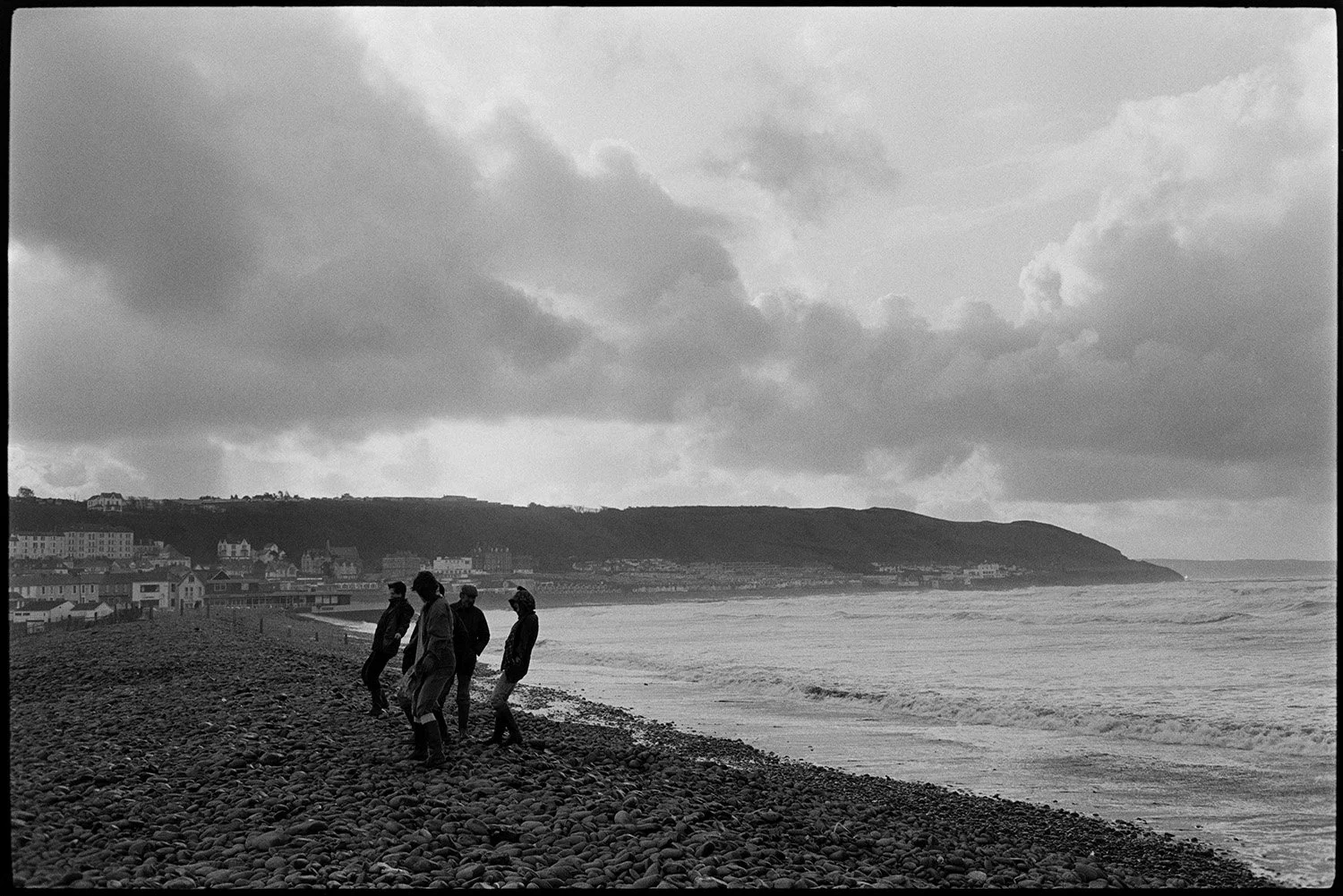
Documentary photograph by James Ravilious for the Beaford Archive © Beaford Arts.
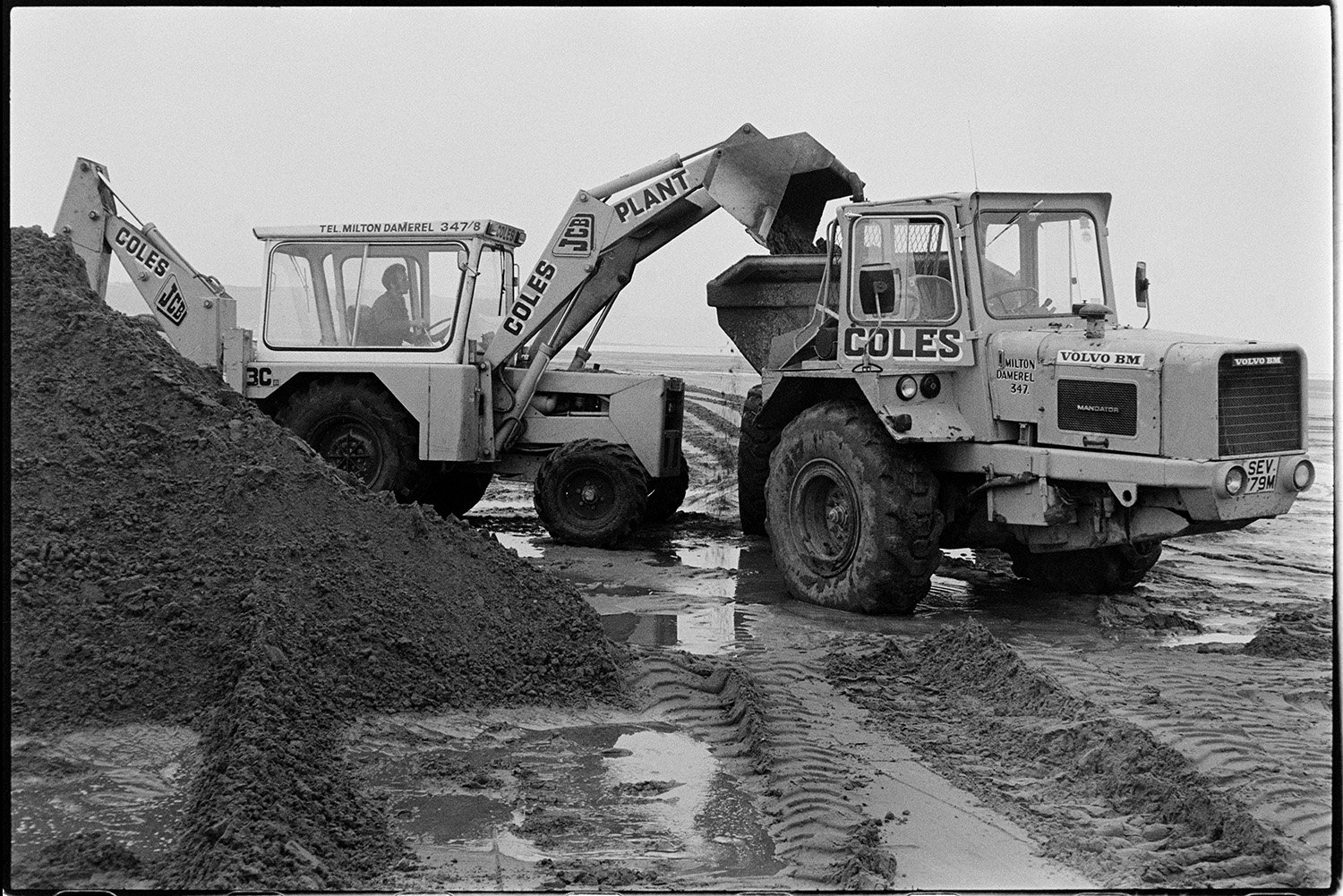
Documentary photograph by James Ravilious for the Beaford Archive © Beaford Arts.