Canto VI Literary Map of Exeter & Devon connection: Torquay; Elizabeth Barrett Browning, Agatha Christie
Canto VI - Torre
“I have wrought these words together out of a wryed existence,
The heart’s tally, telling off
The griefs I have undergone from girlhood upwards,
Old and new”
- The Wife’s Complaint
When they cut and hollowed the tor
to brick-and-mortar God’s house,
this land did not expect its excavated limbs
to be offered to every convalescent
whoever coughed up a kingdom. This
was where they shipped Browning – broken
and disowned – hacking up heaven on the page
in blushing stanzas. The hares were satisfied
with her verse – the dying know how to live –
the bolted body bestows a key to the heart
which loves in ways immeasurable by depth
or breadth or height. They sent her for the sea,
and it received her coldly, pruning its foam to spit
through the shutters and graze her black-flame
brain with salted digits. In turn, she taunted
the ocean’s melody in its sevenfold cadence
and the waters ground their mossy molars
and drew their steel and knocked a wrothful palm
against her brother’s keel. He was adrift in the deep,
trusting fate to timber, rudder and bow
when the sea mocked the love of a poet
and dragged the man in pearly chains
to bite his eyes and barnacle his brow.
Browning chose to hate the land
of waxing stone and dread the ocean’s breath –
yet the sea was victorious only in hewing
a more profound poet; eating her edges
and polishing her marrow – like a sculptor
pulling patterns from the rubble – now
she steels a brittle spine and places pen
and ink upon the page and brings forth
new oceans and the waters of the tor
issue no reply.
The sea chanced and waited until the Millers fled
the new world to till the sand, where
amidst the lint and melted rock
they fed a child with story –
there was a leisure to this life, a civility:
a silk middle-class weight which hung and swung
like a hoop on a chain, and the fingers
which clutched the petticoat and boater
made shadows on the wall and imagined a world of death
behind the smiles and perfume and dignity – a stench
which dilates unseen – yet still she recited her ABC’s
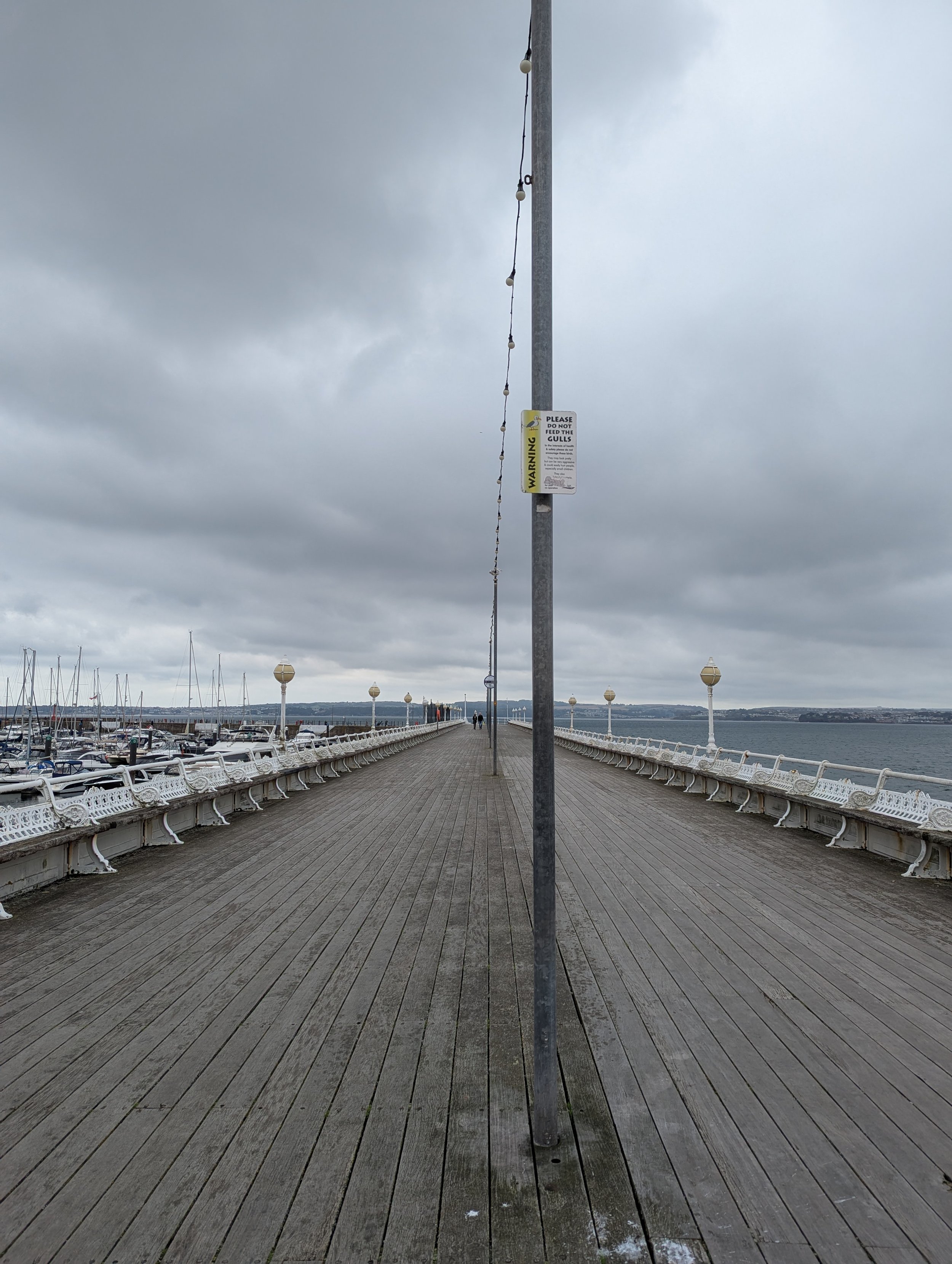
at the Princess Gardens and traded two-pence
for the chance to skate the pier and pirouette
atop the dying planks, where below the lichen
coned and spiralled mouths crushed salt-crystal tack
and knocked their tongues against the pillars –
but what is the sea to a child? Just noise
and froth tickling on the sweetest day of Summer;
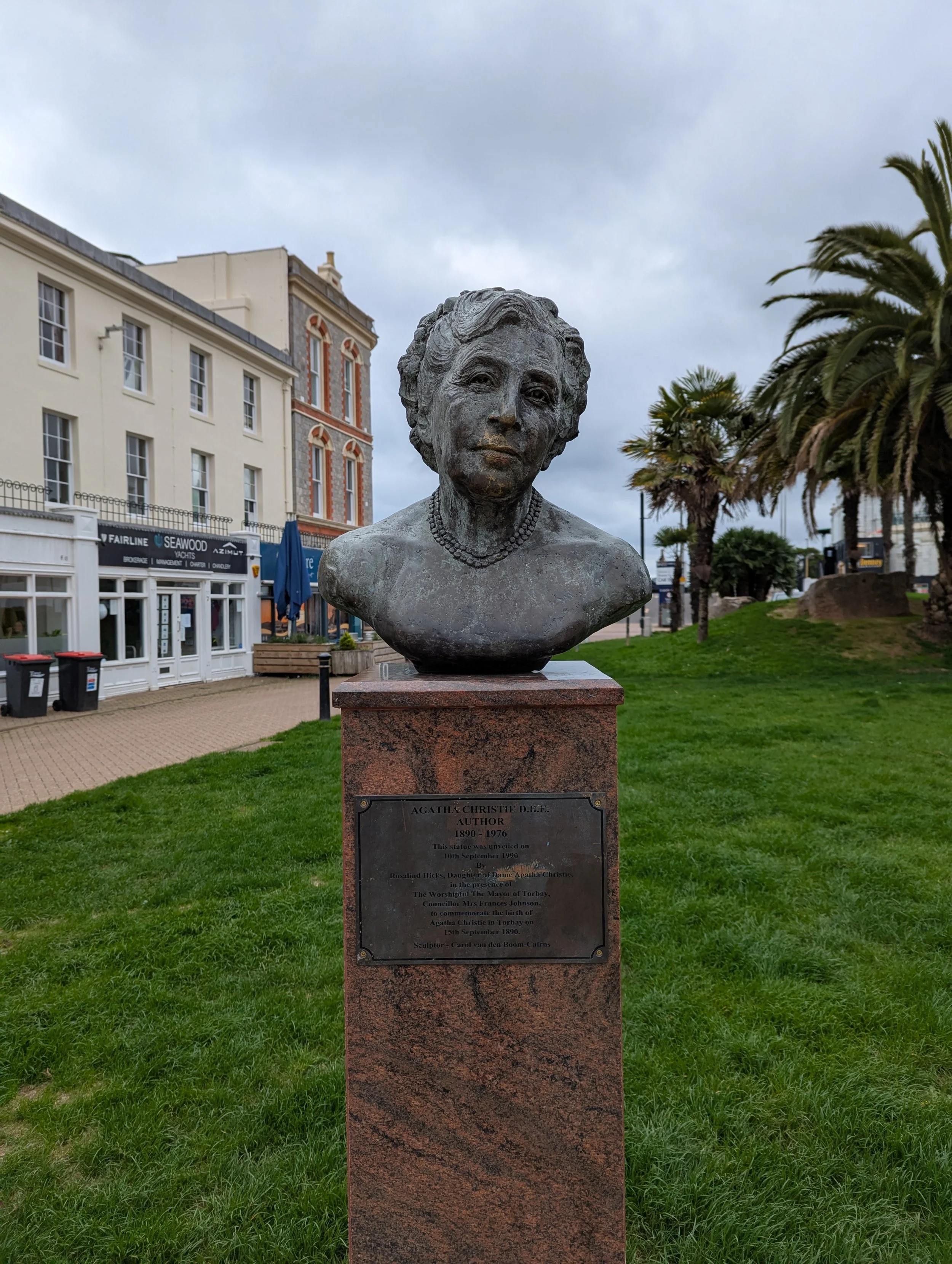
Christie was thirteen when she nearly drowned
in the Beacon’s maw. Yet the sea was thwarted
by an old Sea Horse smoking a pipe,
scratching his beard, committing miracles
and dooming forests to the page.
She was only ever outsold by God
and Shakespeare; fine company
for a child who dreamed of music,
yet the calligraphy of ligaments evaded her careful hand
and the universe urged a love for a quieter composition.
So she watched her fellow watchmaker
and became one herself, teasing cogs and chimes,
learning the orbit of the soul of man –
that infernal, needling
tick. Christie knew
the devil was balding –
that Satan wore perfume and dined at three –
and she took that knowledge
of daggered smiles and poisoned handshakes
and turned it into mystery. Whilst cloistered
in sanitized rooms, dispensing powders,
serums, antidotes – the sea wondered
when her mind slipped
from the gentle snakes of Asclepius
to ponder the boomslang’s venom –
when the hand which gave
contemplated the weight and purpose
of the hand that took. After all,
amidst this linted landscape,
her mother carved a pastel paradise
and Christie chose to write bodies writhing
in the earth next to her childhood. Why
be afraid of anything but ignorance,
why worry about husbands clutching
their knives? When you can play with death
while you knit – each purl and cable
a disaster in imagined lives.
Christie understood
beneath her wiles and her wit
there was a golden maxim amidst the cruelty;
take what you want
and pay for it.
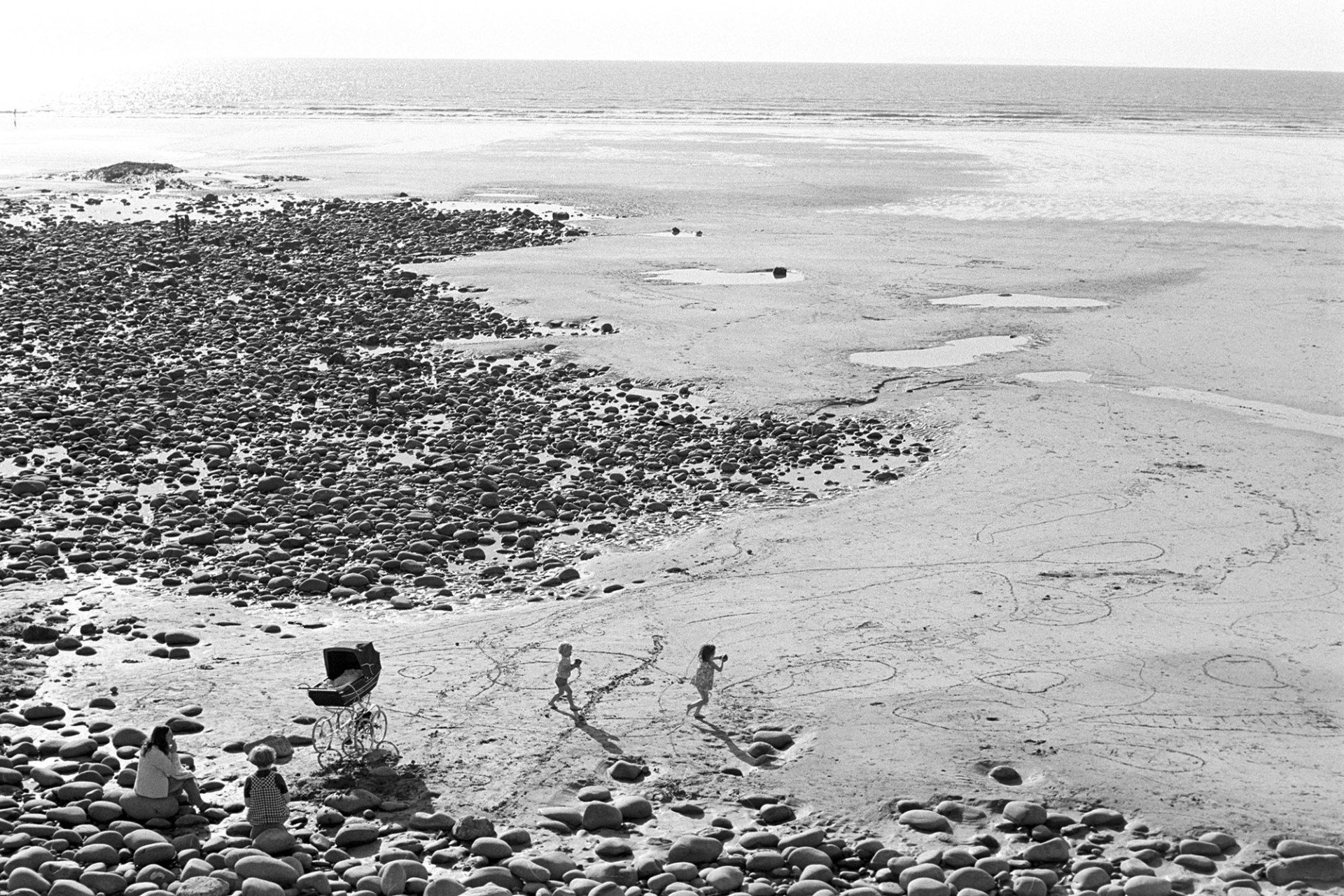
Mothers and children on the beach. Photograph by James Ravilious © Beaford Arts digitally scanned from a Beaford Archive negative.
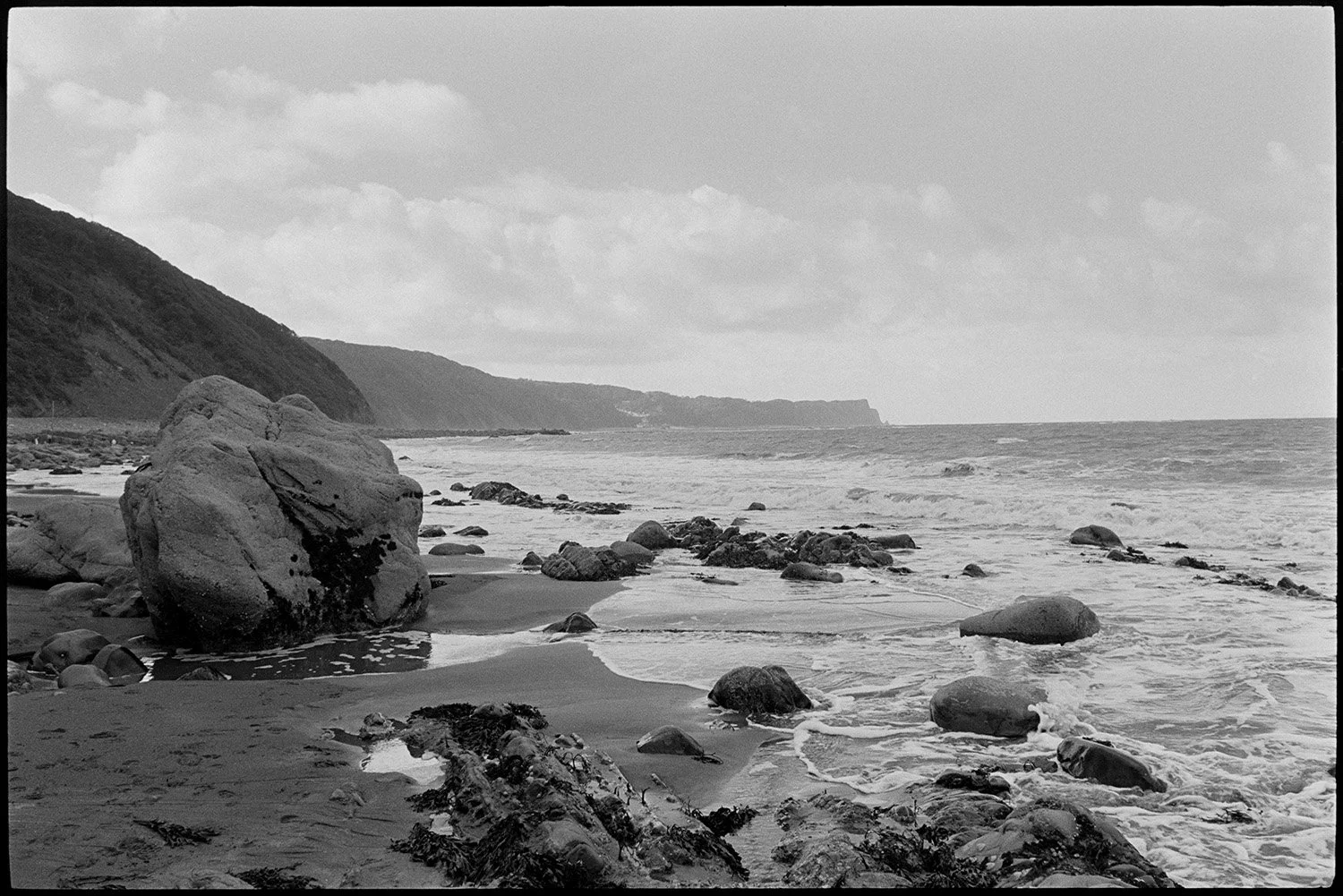
Documentary photograph by James Ravilious for the Beaford Archive © Beaford Arts.
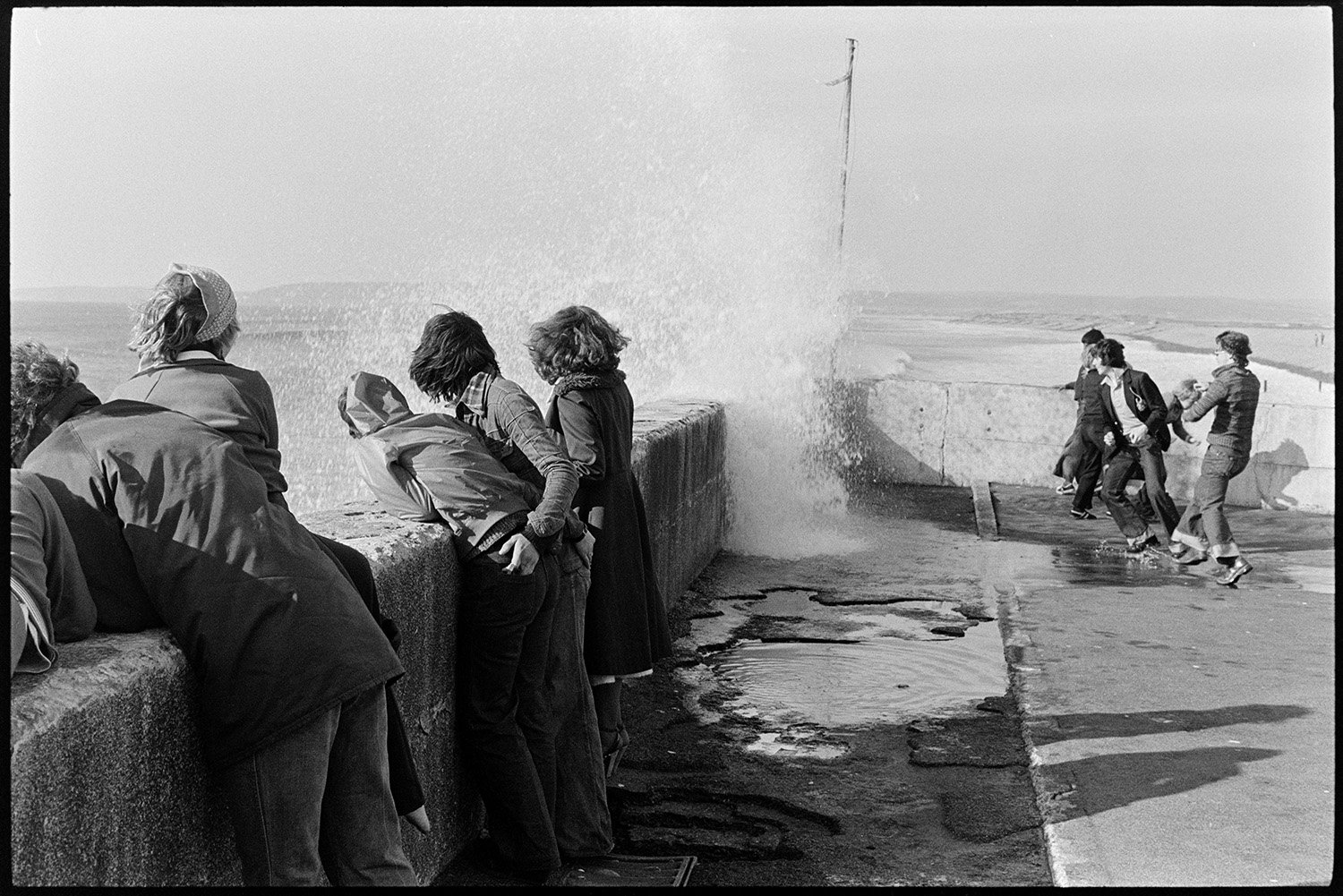
Documentary photograph by James Ravilious for the Beaford Archive © Beaford Arts.