Canto IV Literary Map of Exeter & Devon connection: Exmoor; William Wordsworth / Coleridge, R. D. Blackmoore
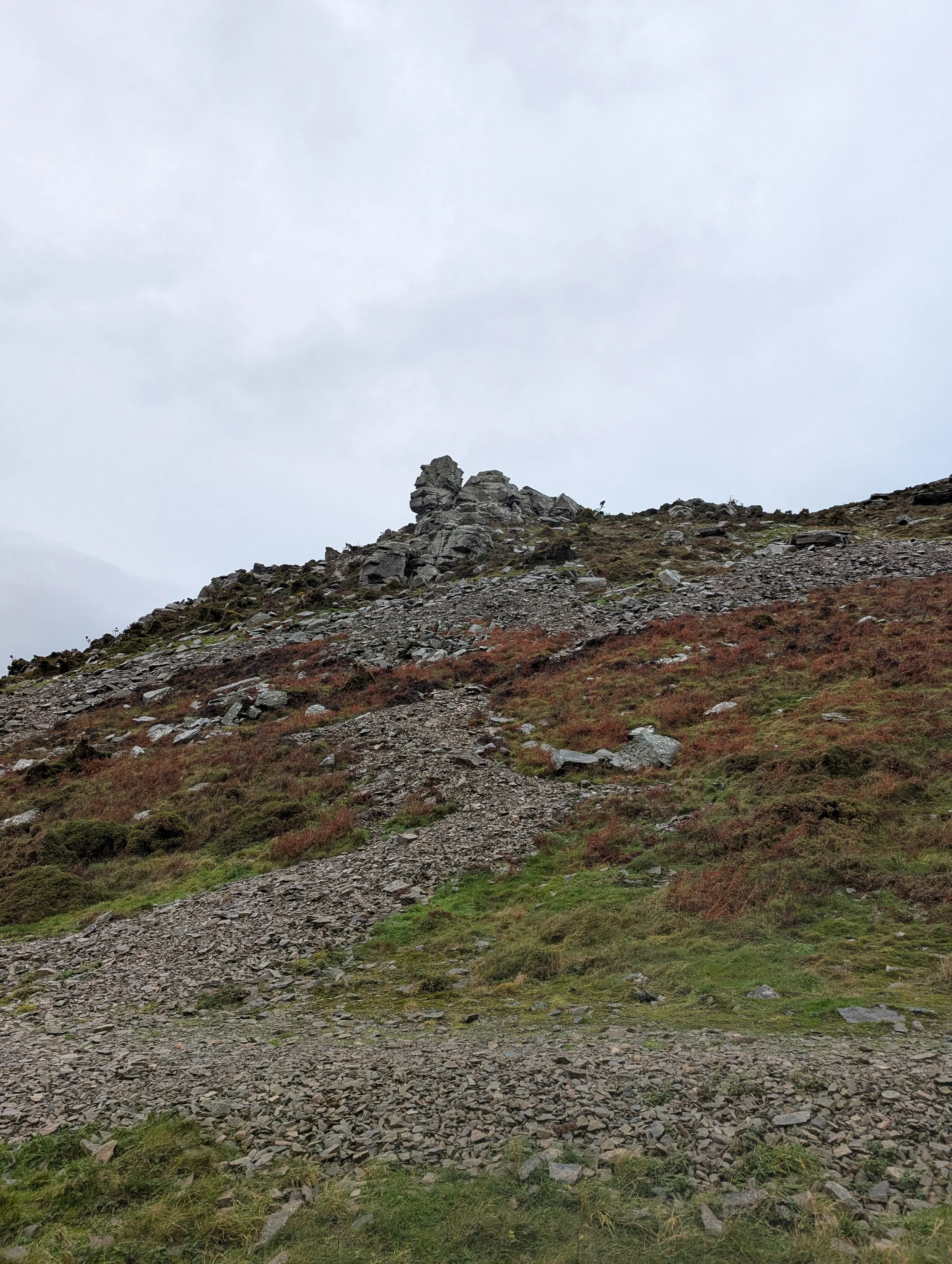
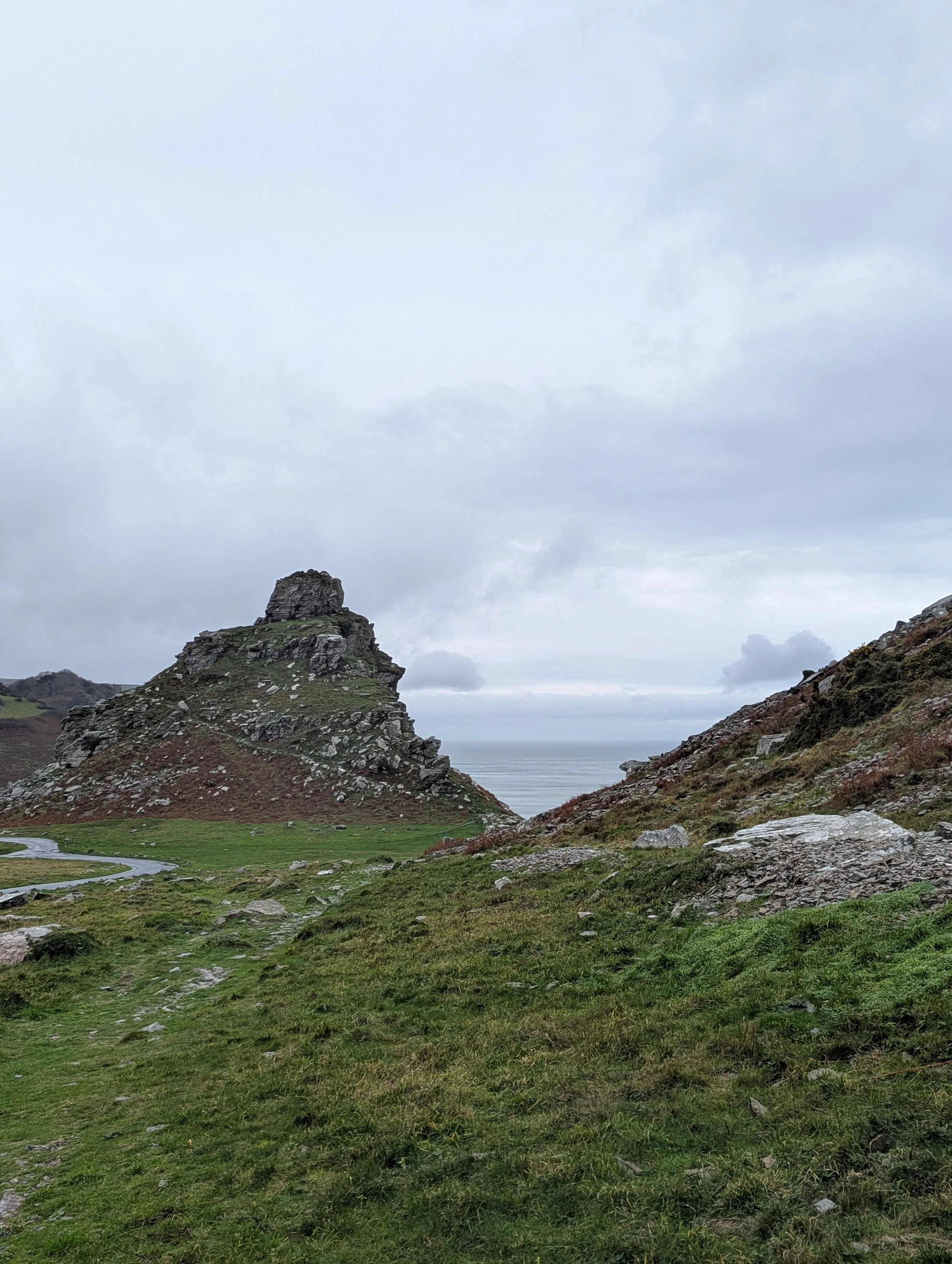

Canto IV – The Valley
“I am worthy to folk, and found widely,
brought from forests and fortress-hills,
from dales and from downs.”
- Riddle 27
When rambling through this royal forest
be wary of its king –
red-ruffed and crowned
with lance of livid bone –
he witnessed the first smelting
of iron and bronze and scratched
the first scuff atop Tarr’s stone –
no cairn, nor crypt, nor copper mine
escaped his liquid crystal eye –
no steward, warden, or forester
could soften his primal cry –
the phantom cat
would never tag a hind –
the hares themselves
would never tempt a chase –
or else risk their circles
stamped and crushed into speckled,
sickly space – it is known
and recorded in this valley’s annals
that the star above wilted a frailer yellow
when the sky first emptied
for their thunderclap bellow.
So count your step
over the moor’s crannies and crags
lest you trip
and meet Exmoor’s stags.
To the north of the moor,
lies one of Brutus’ fallen foes,
vast calcium fingers stretching forth,
great stalactite ribs, bleached
and exposed – pecked clean
by the rain, the goats and Father Time;
caught and captured in steel repose.
Wordsworth and Coleridge hiked the vale,
and knew its packed and balanced peaks
contained a kernel of the oldest tale;
they knocked their heads and inked
riff and refrain, to illustrate for the masses,
the eternal wanderings of Cain.
The king of the moor chewed the sedge
and mocked the poets in their pledge –
the piece was never cut or complete –
how could they trace Cain’s retreat?
Whilst still marred and marked,
he held death in defeat
and the fugitive watched them himself,
still wandering, still roving,
still fleeing over and over
that valley’s flinted seat.
Across the mist, the last Victorian came
and marched along the guggling brook –
the stumps and stones of Badgworthy
never knew the man who took
that ancient, storied valley –
once beholden to the river’s tune –
now known for that portended name;
that bloody moniker;
that ‘Doone’.
Between litigation and allotment,
Blackmore had little time for saga
or syllables, but could not empty his mind
of Carvers and weddings and knew;
a romance was not beautiful
simply because it was true.
Though his other works languish
and wallow in the printed ether –
if ever he saw that novel still clasped
and splayed in countless thumbs – perhaps
he would concede a greater motive
and plainer notions
behind mankind’s lesser sights
and giddier motions.
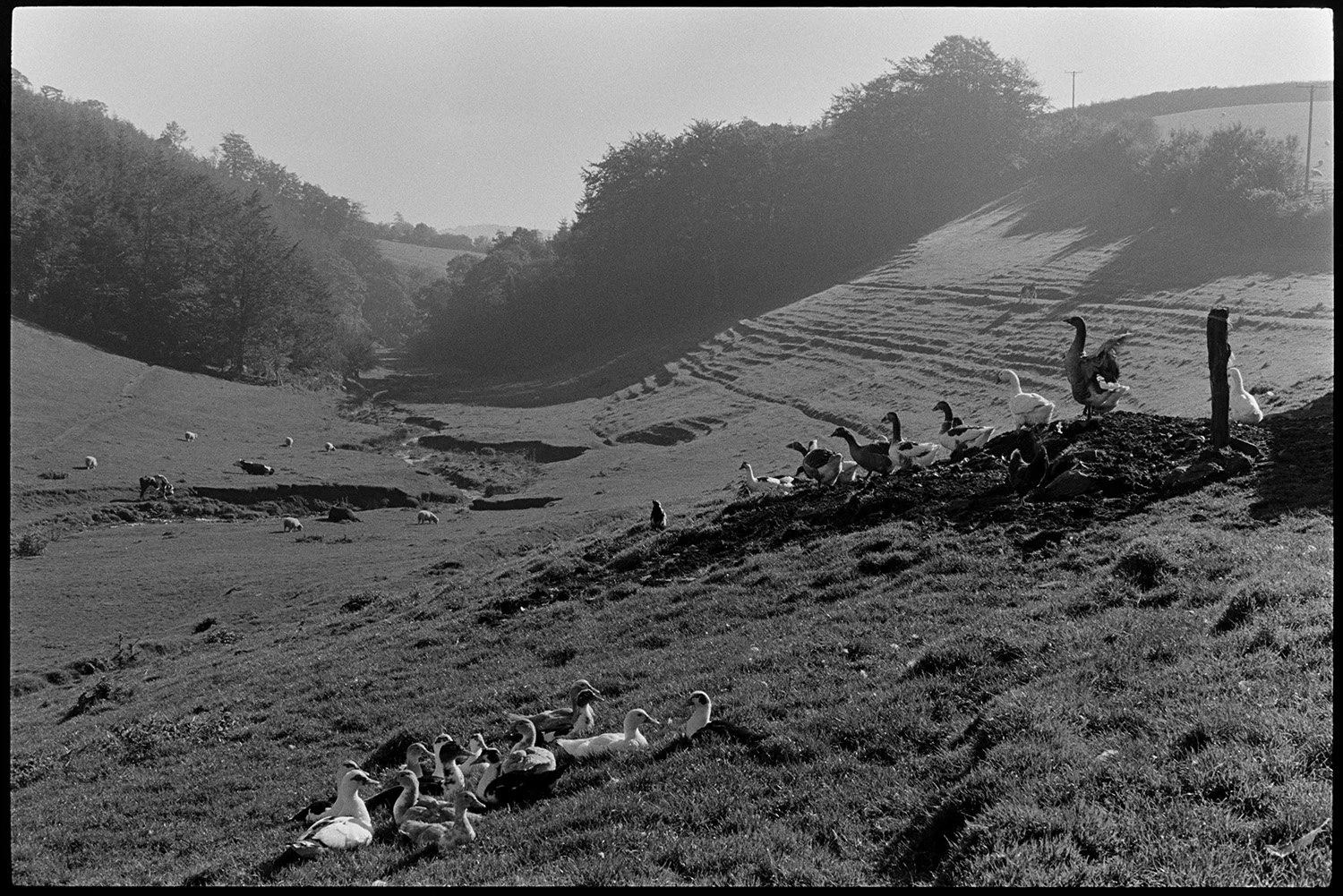
Documentary photograph by James Ravilious for the Beaford Archive © Beaford Arts.
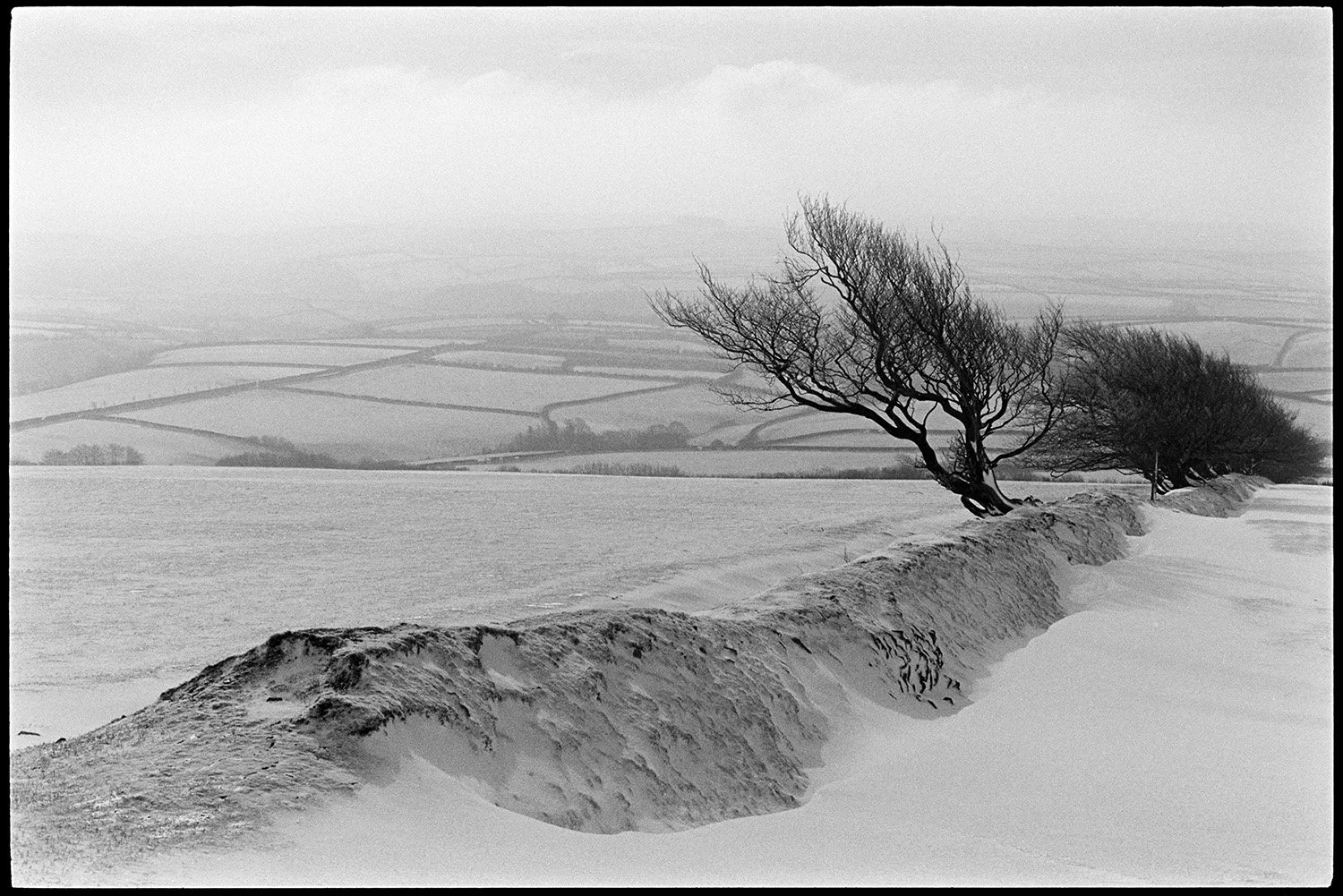
Documentary photograph by James Ravilious for the Beaford Archive © Beaford Arts.
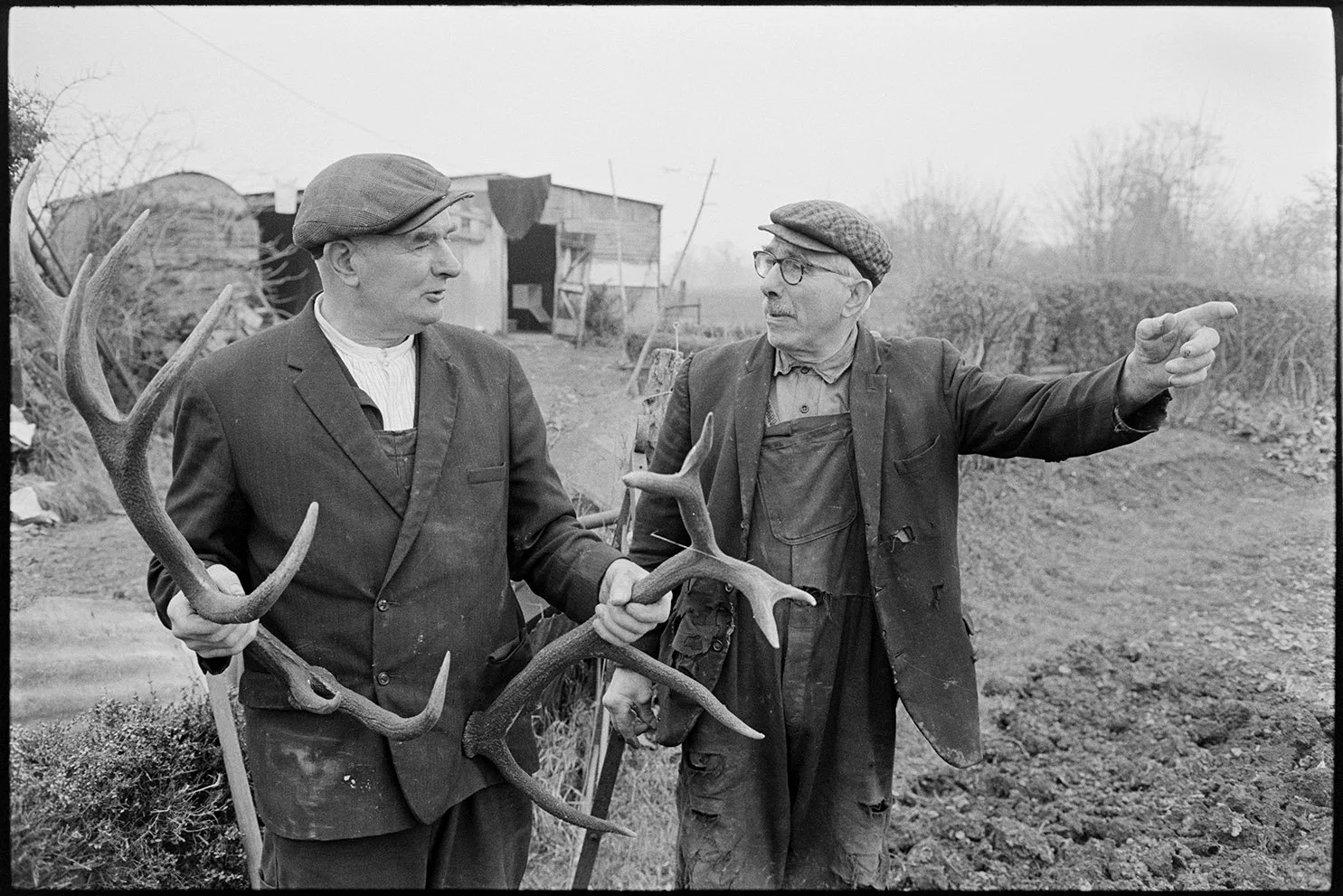
Documentary photograph by James Ravilious for the Beaford Archive © Beaford Arts.